

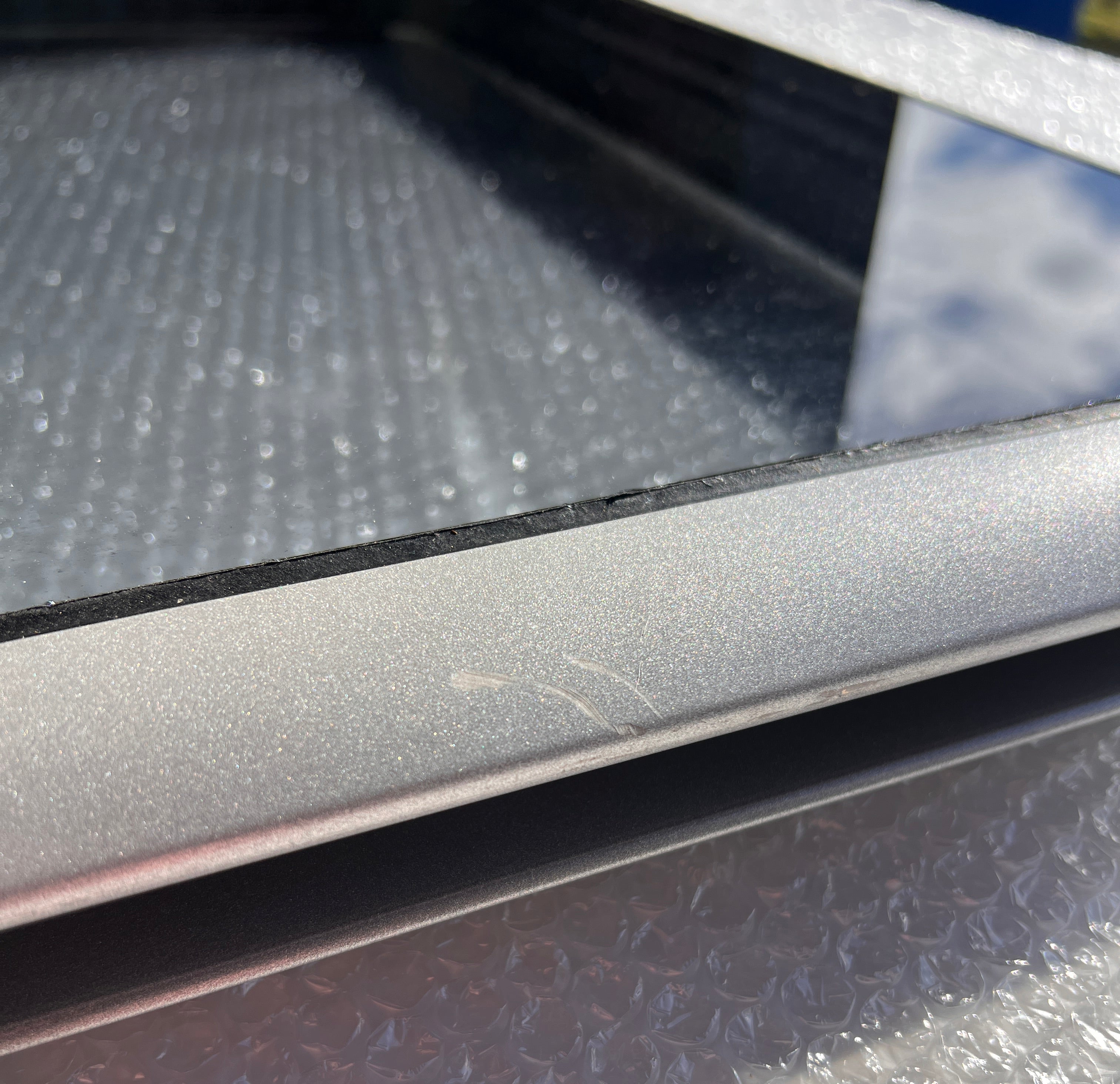
boat windscreen works hard in New Zealand conditions and it will show signs of damage long before it fails completely. Cracks, UV wear and loose mounting points are common issues that can lead to leaks or poor visibility. This guide explains the signs to look for and when it is time to replace your windscreen.
A worn windscreen can also affect the safety of the vessel during rough weather. When visibility drops or the screen flexes under pressure it becomes harder to read the water and make confident decisions. Many older screens move slightly when hit by waves or wind which increases stress on the frame. Replacing the windscreen restores strength to the front of the cabin and gives a clearer view in changing conditions.
Check for visible cracks or stress lines
Small cracks can spread quickly when exposed to sun or movement. Stress lines often show up around corners or mounting points and they are an early warning sign that the windscreen is failing.
Look for UV damage or clouding
Acrylic and polycarbonate can turn cloudy or yellow with age. This reduces visibility and affects the strength of the screen. If cleaning no longer helps, the material has broken down.
Inspect the mounting points
Loose screws or stretched rubber can allow water into the frame. If the windscreen moves when pushed gently, it is ready for replacement.
Watch for leaks
If water enters the cabin during rain or washing, the seal or the windscreen itself has failed.
Final check
If you notice any of these signs, replace the windscreen before the damage gets worse. A new screen will improve visibility and safety on the water.
For windscreen replacements in Auckland or nationwide supply contact Sandbrooks for help


Share:
A simple guide to measuring your boat windows before ordering