

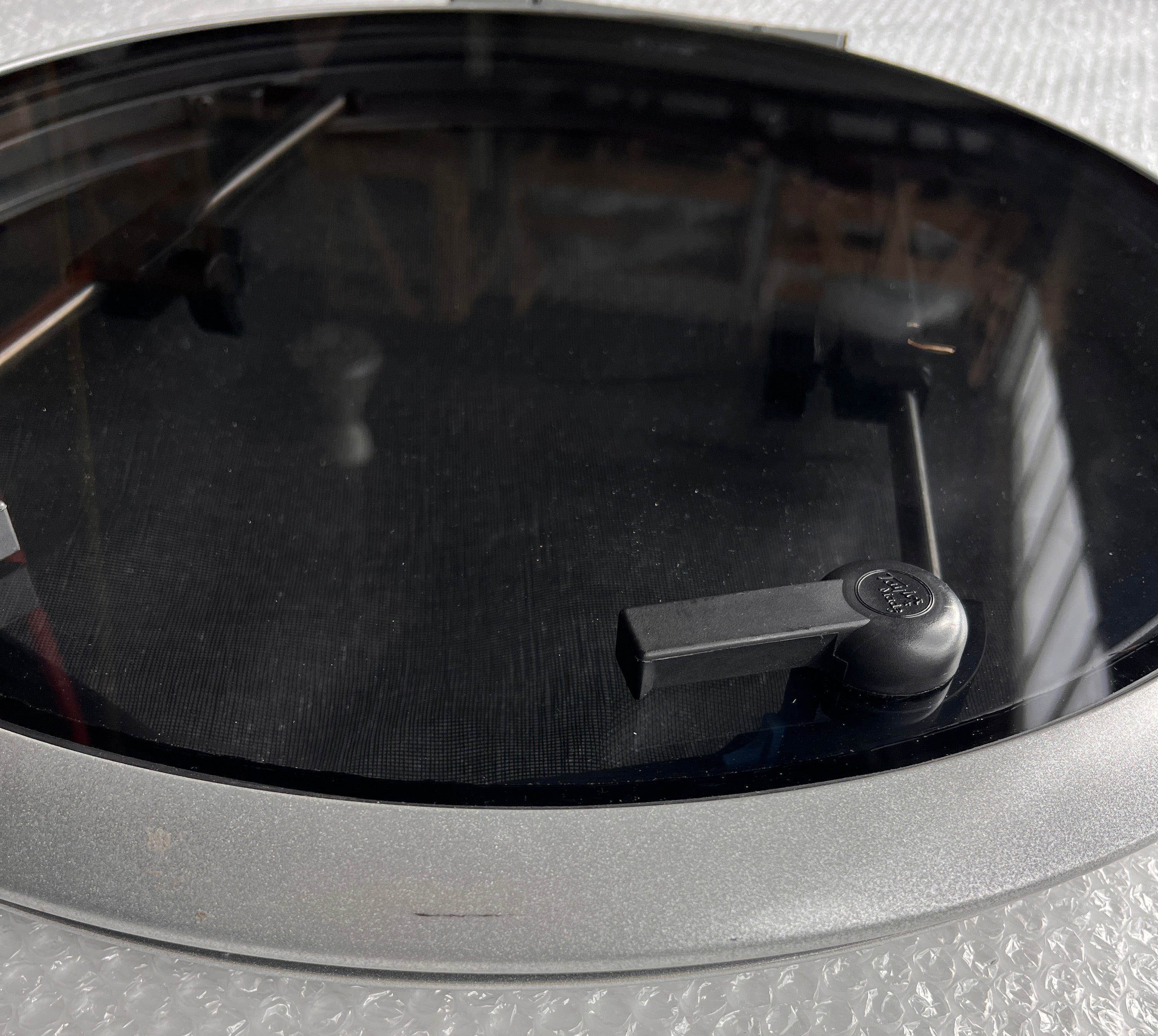
Marine hatches take constant stress from weather, vibration and movement on the water. Over time these pressures cause leaks, stiffness and visible wear. Knowing how a hatch fails helps you choose a replacement that lasts longer and fits your boat properly.
A failing hatch can also let small amounts of water drip into the cabin which slowly damages trim and interior materials. Even a light leak becomes a problem over time when moisture sits between fabrics or under flooring. Replacing the hatch early prevents these hidden issues from developing. A new hatch with a clean seal keeps the cabin dry and reduces the need for other repairs later on.
Common ways marine hatches fail
1. UV damage
Direct sunlight makes acrylic and rubber seals brittle. Lids become cloudy and seals lose flexibility, which leads to leaks and poor visibility.
2. Worn or cracked hinges
Hinges wear out from repeated opening and closing. Loose hinges cause the lid to sit unevenly and allow water to pool around the frame.
3. Failing seals
Saltwater, heat and movement break down hatch seals. Once the seal loses shape water will move through gaps even in light spray.
4. Stiff opening mechanisms
Handles, gas struts and friction stays get stiff or corroded. When they do the hatch becomes harder to open and may not stay in position.
5. Frame movement
Older hatches can pull away from the deck if adhesive or fixings lose strength. This creates gaps that let water enter the cabin during rough conditions.
How to choose the right replacement hatch
1. Match the original size
Measure the cutout and outside frame size. An exact match makes installation cleaner and prevents movement.
2. Choose marine grade materials
Look for acrylic that resists UV damage and hardware made from durable marine alloys.
3. Check the hinge design
Some hinge styles suit flat decks better while others fit angled cabin roofs. A stable hinge keeps the lid aligned and reduces wear.
4. Look for clean sealing surfaces
A good replacement hatch should have a flat, even surface around the frame. This allows clean sealing and reduces the chance of leaks.
5. Pick the right opening method
Choose friction stays, locking handles or gas struts depending on how you use the hatch and how often it is opened.
When to replace instead of repair
If a hatch is leaking, cloudy or no longer sitting flat it is usually better to replace it. New hatches offer better visibility, smoother operation and improved sealing.
We have classic hatches, replacement parts or full hatch fabrication. Contact Sandbrooks.

Share:
The most common glazing issues on older New Zealand boats
How to clean and maintain boat windows in New Zealand conditions